
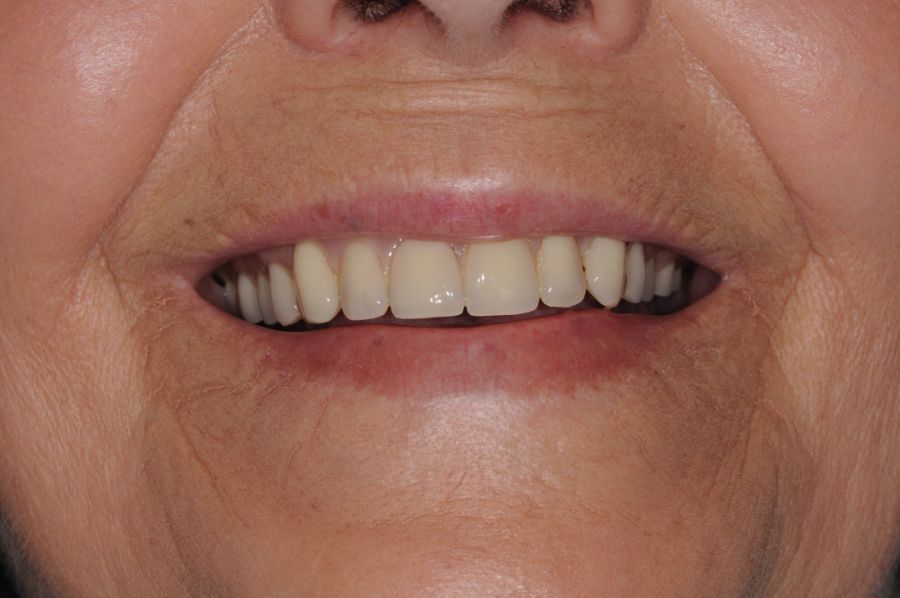
 Before
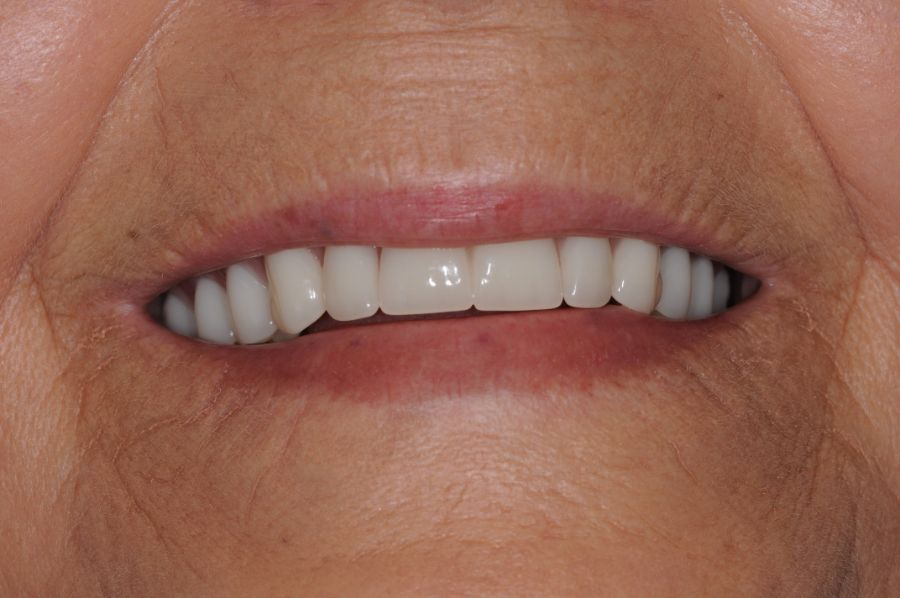 After
AfterAfter Hours Emergencies Are Reserved for Existing Patients Only. Become a Patient Today!

At Spillman Family Dental of Rockwall, Dr. Travis Spillman believes in the benefits of traditional dentures. However, when you compare their upkeep, stability, and functionality against implant dentures of Rockwall, they often leave much to be desired. Instead of worrying about whether your prosthetic might accidentally slip while talking to others, you can rest easy knowing your new smile is permanently in place and going to provide the function you need to feel confident in everyday life. No longer will you need to spend your hard-earned dollars on denture adhesives or special cleaning supplies. Instead, you can enjoy dental implants that look, act, and feel just like regular teeth. If you’re ready to learn more about these unique tooth replacement solutions, give our office a call and schedule an appointment today.
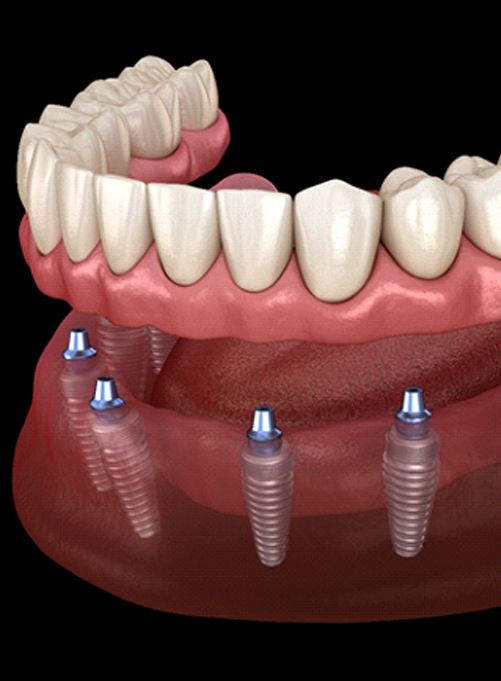
Implant dentures are permanent, stable, and fully functional prosthetics that are surgically placed into the jawbone and provide a support system for a customized restoration (i.e., denture). For patients who are missing an entire row of teeth, a dentist can use between 4 and 8 dental implants to secure new teeth in place. With millions of people in the United States already enjoying the benefits of these prosthetics, their longevity of more than 30 years and ability to prevent facial collapse cannot be overlooked.
When meeting with your implant dentist in Rockwall to discuss the potential for implant dentures, one of the most important factors will be to decide which type of denture you prefer:
This hybrid prosthesis requires ample jawbone density and between 4 and 8 dental implants. Designed to fit permanently, it cannot be removed by anyone other than a skilled professional. This allows you to have a more stable smile that is easy to clean and maintain.
The other option is a removable denture, also known as a Snap-On denture. Requiring only 2-5 implant posts, you do not need as much jawbone density as a fixed prosthetic. Held in place by a bar- or ball-retained device, these can be easily removed in the evenings for thorough cleanings.

Although receiving implant dentures does take more time than if you were to choose a traditional denture, they are well worth the time and money. The process may require ample patience, but you can expect phenomenal results once you are fully healed and receive your customized restoration.
While no two patients are the same, the steps a person must follow are the same:

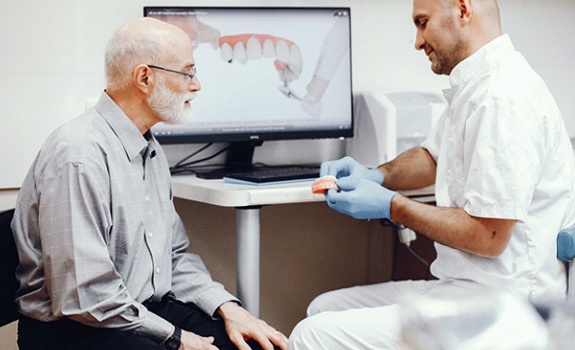
During your initial consultation, Dr. Spillman will examine your oral and facial structures using advanced dental technology. Using the captured images to fully view the intricate details of your tissues, nerves, and jawbone, he will consider the following factors to determine if you are qualified to immediately move forward with dental implant surgery:
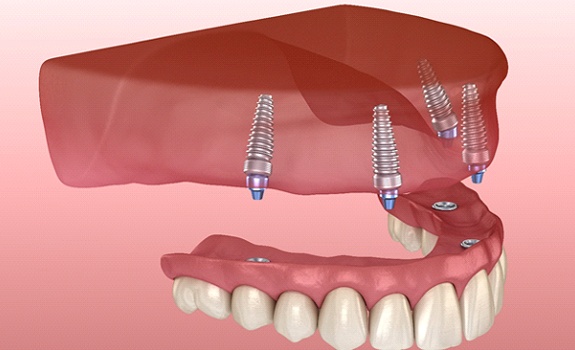
Dental implants offer an endless array of benefits on their own. However, once you combine them with a customized denture, you will find:
Many people worry that placing dental implants involves an agonizing procedure, but thankfully, that’s usually not the case! Our team in Rockwall has the advanced training and state-of-the-art equipment to place these restorations in the office, and will do everything we can to help you feel comfortable and calm throughout your appointment.
For example, we’ll apply a local numbing agent before getting started to block the nerves in your teeth from sending signals to your brain. We also offer various options for sedation that can help you get through your procedure successfully. You might not remember the details of your treatment after your visit, but many patients consider this temporary amnesia effect to be another benefit of receiving the medication.
It’s natural to wonder if your implant dentures will last long enough to be worth it, but unlike their traditional counterparts, which often only last about 5 to 15 years, these restorations can potentially remain in place for the rest of your natural life.
The support rods that are surgically embedded in your jaw eventually fuse with bone in a process called osseointegration, which essentially makes them a permanent part of your mouth that is unlikely to be harmed. However, the prosthetic teeth and gums may require periodic repairs because they are made from lifelike, customizable materials that might chip, crack, stain, or break over time.
If you’re concerned that you’ll undergo the dental implant procedure just for your new teeth to fail, you can thankfully set your fears aside. The surgery itself has an incredibly high success rate of more than 90%, meaning you’re unlikely to experience adverse effects as long as you follow our team’s post-operative instructions carefully.
With that said, these replacement teeth are not completely invincible, so you must take care of them correctly to avoid potential failure. For instance, brushing and flossing twice daily removes plaque and bacteria that contribute to tooth decay and gum disease, which can erode the tissues holding your implant in place if left unaddressed.
Although you’re unlikely to develop complications after your implant procedure, understanding the signs of a potential problem can help you know when it’s time to contact our office for an appointment. The two leading causes of failure are peri-implantitis, a pervasive form of gum disease that can occur at the surgical site, and failed osseointegration, which sometimes occurs if your jawbone was too thin to begin with.
Other common risk factors can include:
Before After