
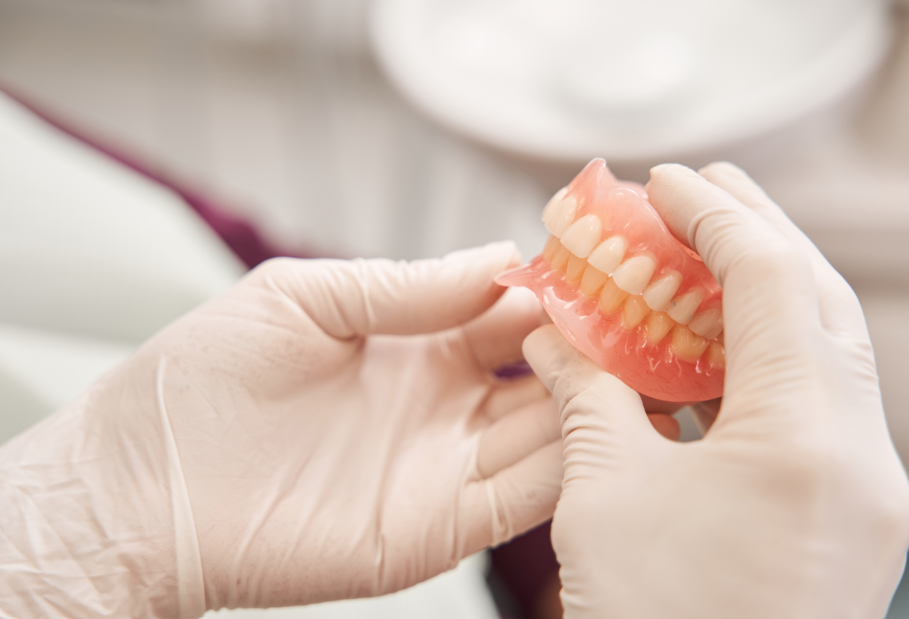
Getting dentures is a major step toward restoring your smile, oral health, and confidence. While many patients are excited about the improvements dentures bring, it’s completely normal to notice a learning curve when it comes to speaking.
Your tongue, lips, and cheeks have spent years working with your natural teeth. Once dentures are introduced, your mouth needs time to adjust to the new shape and positioning. Certain words may feel awkward at first, and you might notice small changes in pronunciation while your muscles adapt.
The good news is that most people adjust successfully with a little patience and practice.
Common Speech Changes You May Notice
One of the most common concerns among new denture wearers is developing a slight lisp or difficulty pronouncing certain sounds. Words containing “s,” “f,” “th,” or “sh” sounds may feel especially tricky in the beginning.
You may also notice:
- A feeling of bulkiness in the mouth
- Excess saliva during the first few days
- Clicking sounds while speaking
- Minor slipping while talking
- Difficulty speaking quickly or clearly at first
These challenges are usually temporary. As your mouth muscles become more familiar with the dentures, speaking tends to feel much more natural.
Tips for Speaking More Clearly with Dentures
Like any new skill, speaking with dentures improves with practice. A few simple techniques can help speed up the adjustment process and build confidence.
Practice Reading Out Loud
Reading aloud is one of the best ways to train your mouth to adapt. Start slowly with a favorite book, magazine, or even song lyrics. Pay extra attention to words that feel difficult to pronounce.
Practicing in front of a mirror can also help you become more aware of your speech patterns and mouth movements.
Slow Down Your Speech
It’s common to speak too quickly when adjusting to dentures, which can make pronunciation more difficult. Slowing down gives your tongue and lips more time to form words properly.
Over time, your normal speaking pace will gradually return.
Repeat Challenging Sounds
If certain sounds feel difficult, practice repeating them several times a day. Tongue twisters and repetitive phrases can help strengthen muscle memory and improve clarity.
For example, phrases with “s” sounds can help reduce a temporary lisp as your mouth adjusts.
Keep Your Dentures Properly Fitted
Loose dentures can shift while you talk, making speech more difficult and uncomfortable. If your dentures feel unstable, don’t ignore the problem. A professional adjustment may be needed to improve the fit.
Well-fitting dentures typically feel more secure and allow for clearer, more confident speech.
Be Patient with Yourself
Perhaps the most important tip is simply giving yourself time to adjust. Many patients feel self-conscious during the first few days or weeks, but improvement often happens faster than expected.
The more consistently you wear your dentures and practice speaking, the more natural they will begin to feel.
When to Call Your Dentist
While mild speech difficulties are normal at first, ongoing discomfort or major speaking challenges should be evaluated. If your dentures consistently slip, cause sore spots, or make speaking extremely difficult after several weeks, your dentist may recommend adjustments to improve comfort and stability.
Small changes can often make a big difference in how your dentures feel and function. With patience, practice, and proper support, most patients quickly regain the ability to speak comfortably and confidently.
About the Practice
At Spillman Family Dental of Rockwall, patients receive compassionate, comprehensive dental care tailored to every stage of life. Dr. Spillman and Dr. Nguyen offer a wide range of services, including restorative dentistry and custom dentures designed to improve comfort, function, and confidence. Our experienced dental team is committed to creating a welcoming environment where patients feel informed, supported, and cared for throughout their smile journey.
Call us at (972) 945-0887 or schedule your appointment online.